Skip to Main Content (Press Enter)
How can we help you?

Vehicle Leasing Explained

Start your leasing journey with confidence.

Understanding vehicle leasing

Over the past decade, the options available to drivers looking to get behind the wheel of a new vehicle have changed dramatically.

With a shift from traditional ownership towards usership, leasing is becoming increasingly popular for both consumers and businesses.

Why consider leasing

If you are looking for a way to drive a newer model vehicle or experience driving an electric car for the first time - without facing the initial outlay that often comes with buying a vehicle outright - leasing could be an ideal option.

With flexible monthly payments and a contract tailored to your financial needs, leasing can make driving your dream vehicle a reality.

Your guide to leasing

In this article, we explain everything you need to know about leasing. If you decide after reading this that leasing through KINTO is something you would like to explore, contact us and we can guide you through our leasing options.

Vehicle leasing involves entering a contract hire agreement, where you hire a vehicle for an agreed length of time (term of agreement) and pay a fixed monthly rental without owning the vehicle.

  • Contract hire agreements typically last anywhere from 24 to 48 months.
  • With vehicle leasing (also referred to as contract hire), you are required to make an initial payment - usually the equivalent of between one and nine months’ lease payments. This is not a deposit. Paying a larger initial rental amount will reduce the monthly rental payable for the duration of the contract.
  • You will have freedom of choice over the vehicle’s make, model and specifications. Your contract can be tailored to you in terms of annual mileage, duration of the lease and how your initial and monthly payments are structured.
  • With vehicle leasing, you also avoid the risk of vehicle value depreciation associated with ownership. Once your contract comes to an end, you simply return the vehicle, and you can start the process of leasing a new car again if you wish.
Leasing is suitable for those who want cost-effective monthly costs for a set period, value convenience, flexibility and variety, and wish to drive a vehicle without owning it. Contract hire is available for both personal consumers and businesses.

Business contract hire agreements are suitable for businesses of all sizes as a way of sourcing vehicles without owning them. As you do not own the vehicle, it is returned at the end of the agreement.

Some of the benefits of business leasing include:

  • You can claim up to 50% VAT on car rentals and 100% VAT on LCV rentals, depending on VAT status.
  • Optional maintenance packages can be added to cover routine servicing and maintenance (up to 100% VAT reclaimable depending on status).
  • Fixed monthly costs support easier budgeting.
Personal leasing is similar to business leasing but is primarily for personal use.

1. Select a vehicle and agree on the contract length and annual mileage limit with the leasing provider.

2. Receive a quote.

3. If you agree to the quote, set up your initial rental payment and monthly rental payments.

4. At the end of the contract, you return the vehicle or arrange a new lease and swap vehicles.

Access to a new car

Leasing gives you the opportunity to drive new or nearly-new models with the latest technology and specifications.

Cost-effectiveness

You can set fixed, cost-effective monthly payments without the upfront costs associated with buying a new vehicle. There is no balloon payment at the end of the contract - simply return the vehicle.

You can choose your initial rental amount (typically 1–9 months). A higher initial rental reduces monthly payments.

Optional maintenance

Most lease agreements allow you to add a maintenance package, typically covering routine servicing, consumable replacements (tyres, brakes, wipers) and MOT tests.

Choice of term

Most contracts last between 24 and 48 months.

No depreciation risks or resale worries

As the leasing provider owns the vehicle, you do not need to worry about resale value or depreciation.

Leasing is flexible, but there are considerations before entering an agreement.

You do not own the vehicle

You will never own the vehicle - it must be returned at the end of the contract.

Additional costs outside your lease agreement

You are typically responsible for:

  • Comprehensive insurance
  • Vehicle Excise Duty changes (current VED included in quote)
  • Fuel
  • Additional maintenance/servicing (if no maintenance package is chosen)

Possible additional charges at the end of the agreement

Exceeding mileage

If you exceed the agreed mileage limit, additional charges apply.

Wear and tear

You must maintain the vehicle in line with manufacturer guidelines. Unreasonable wear and tear may incur charges. See our Fair Wear and Tear guide for details.

Early termination

Ending the contract early may result in charges.

Failed payments

Missing payments may result in repossession and impact your credit score.
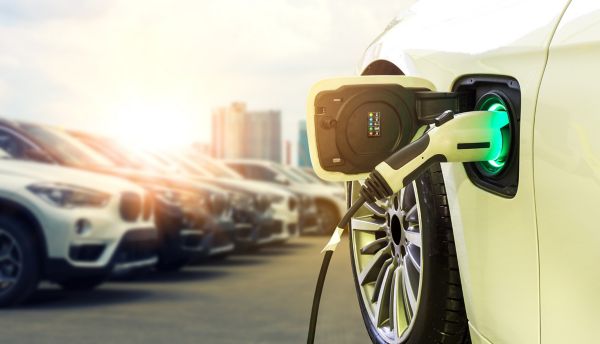
Leasing is a type of vehicle funding. Unlike financing, you do not own the vehicle at the end of the term.

Alternative finance options include:

Personal Contract Purchase (PCP)

You have three options at the end of the PCP agreement:

  • Pay the balloon payment to own the vehicle
  • Return the vehicle
  • Swap for a new vehicle

Hire Purchase

Pay a deposit and monthly instalments. An “option to purchase” fee allows you to own the vehicle.

Vehicle Loan

Take out a loan to buy a vehicle outright. You own the vehicle from day one.

Discover Lease with KINTO

Whether you want to drive the latest Toyota or Lexus models, or explore a more budget-friendly option such as leasing a used vehicle, we provide flexible leasing solutions tailored to your personal or business needs.